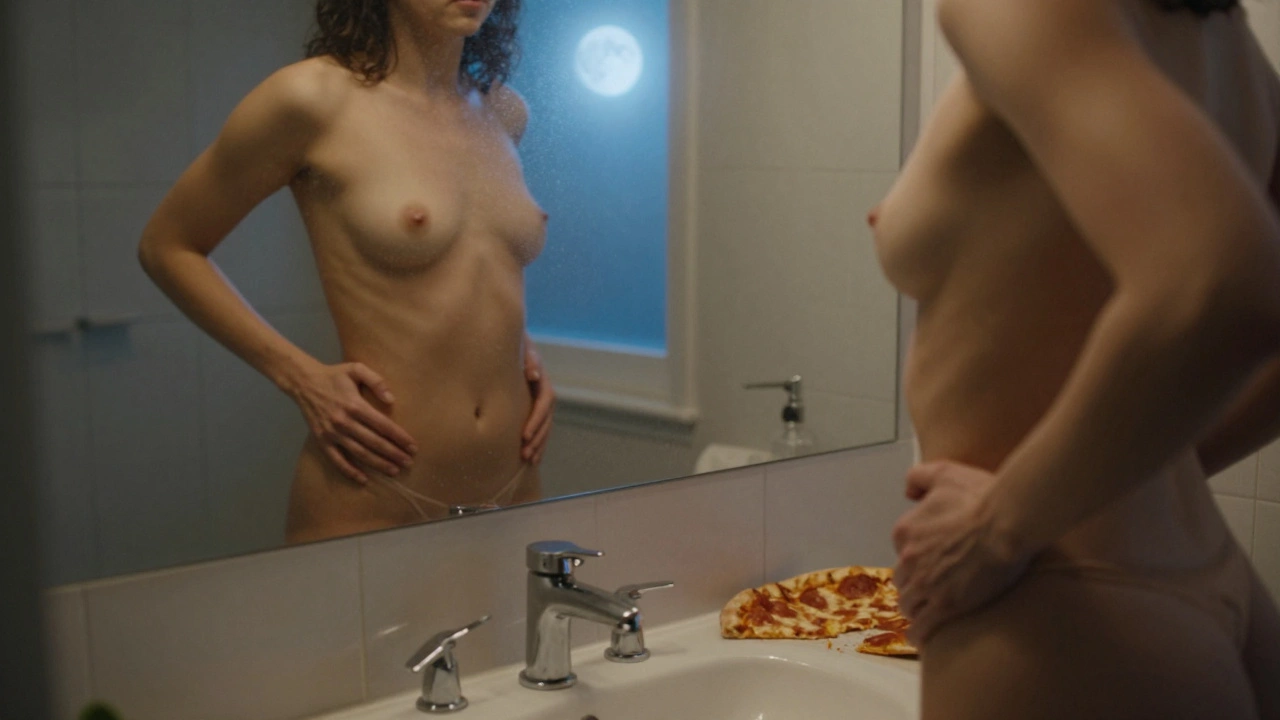
It started with a mirror. Not the kind you check before a date or a job interview. The kind you stare into at 2 a.m. after eating pizza and watching Netflix for the third time that week. My stomach wasn’t flat. My waist didn’t taper. And no matter how many crunches I did, those love handles stayed put-like they’d moved in and refused to pay rent. I used to think they were a flaw. A sign I’d failed at being healthy. Turns out, they were just part of me.
For a while, I chased quick fixes. Detox teas, waist trainers, even a friend recommended a filipina escort dubai experience as a distraction from stress eating. I didn’t go. But I did realize something: I was treating my body like a problem to be solved, not a home to live in. That shift changed everything.
What Love Handles Really Are
Love handles aren’t some secret enemy invented by fitness influencers. They’re subcutaneous fat-soft, harmless fat that sits just under your skin, mostly around your hips and lower waist. Your body stores it there because it’s efficient. It’s easy to access for energy, and it’s protected by muscle and bone. In evolutionary terms, it’s a survival feature. You didn’t get them because you’re lazy. You got them because your body is doing exactly what it’s supposed to do.
Men over 35, especially those with sedentary jobs or high stress levels, tend to store fat in this area. It’s not just about calories in versus calories out. Hormones like cortisol play a big role. When you’re stressed, your body holds onto fat as a buffer. That’s why two people eating the same meals can look completely different. It’s not about willpower. It’s about biology.
The Diet Trap
I tried every diet. Keto. Intermittent fasting. Low-carb. Low-fat. I counted macros like they were lottery numbers. I lost weight-sometimes fast. But every time I relaxed, the fat came back. Worse, I lost muscle. I felt tired. My mood tanked. I stopped enjoying food. I stopped enjoying life.
Turns out, the real problem wasn’t the fat. It was the mindset. The belief that I had to be thin to be worthy. That my worth was tied to my waistline. That’s not health. That’s punishment dressed up as progress.
Moving Differently
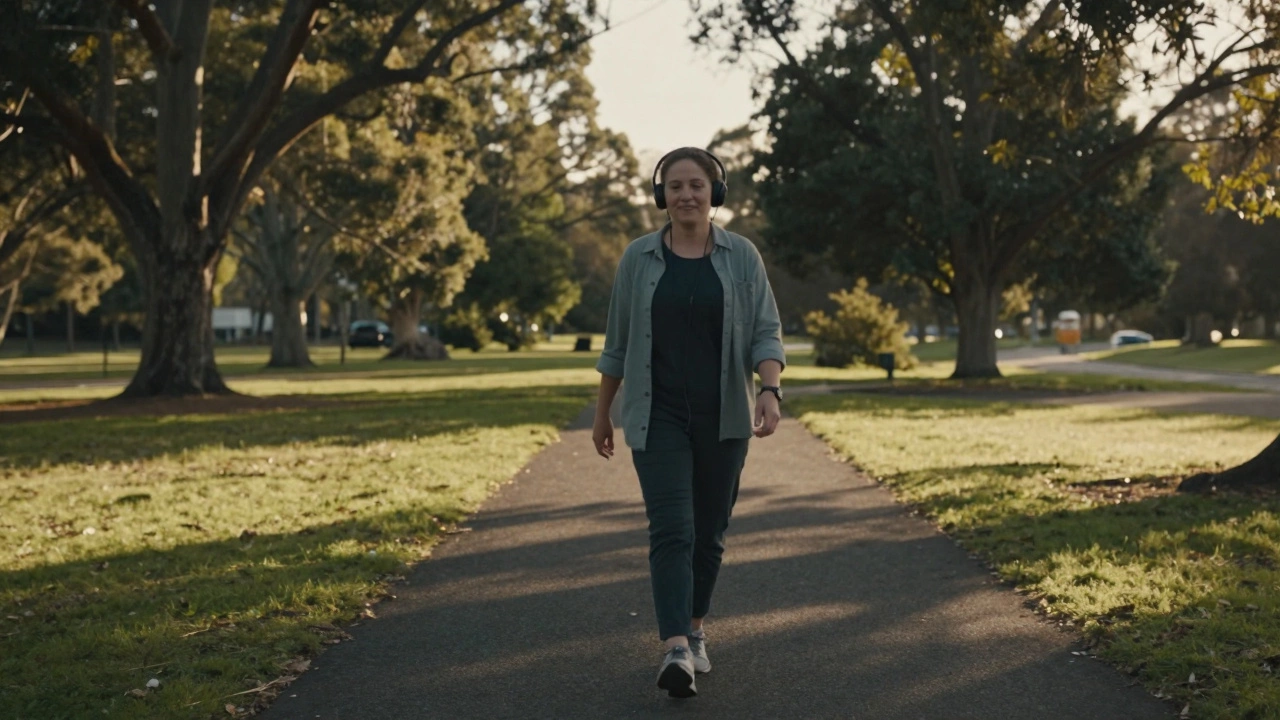
I stopped doing crunches. I started walking. Not for steps. Not for calories. Just to move. I walked through the Adelaide parklands every morning, listening to podcasts about philosophy and old jazz. I lifted weights-not to burn fat, but to feel strong. Squats, deadlifts, push-ups. I didn’t care about the numbers on the bar. I cared about how my body felt when I stood up after a session. Solid. Grounded. Alive.
My body changed slowly. Not because I was trying to lose fat. But because I stopped fighting it. I stopped punishing it. I started listening to it.
Food Became Fuel, Not a Trophy
I stopped labeling foods as good or bad. No more guilt after eating pasta. No more celebrating with a salad. I ate what I wanted-mostly whole foods, sometimes pizza, always with pleasure. I learned to recognize hunger. Not the kind that screams at 8 p.m., but the quiet, steady kind that shows up mid-morning. I ate when I was hungry. Stopped when I was full. Not because I was counting. But because I was present.
One day, I realized I wasn’t thinking about food all the time. That was the real win.

The Emotional Connection
My love handles weren’t just physical. They were emotional. They were tied to my father’s criticism. My ex’s jokes. The ads telling me I needed to look like a model to be desirable. I carried those voices like weights in my pockets.
I started journaling. Not about calories. About feelings. What did I feel when I looked in the mirror? Shame? Anger? Sadness? I wrote it down. Then I asked myself: who taught me to feel this way? Was it really me? Or was it the world?
That’s when I started forgiving myself. Not for being fat. But for believing I had to be perfect to be loved.
What Changed
My love handles didn’t disappear. But I stopped seeing them as flaws. They’re just part of my body’s story. They’re softer now. Maybe a little smaller. But that’s not why I’m happy.
I’m happy because I sleep better. I have more energy. I laugh louder. I don’t avoid photos anymore. I don’t wear baggy shirts to hide. I wear what feels good. And when someone says, "You look great," I say, "Thanks," instead of mentally correcting them.
I still get stressed. I still eat cake. I still have days when I don’t feel great. But now, I don’t punish myself. I rest. I breathe. I move. I eat. I live.
And yeah-I still have love handles. But now, they’re not a problem to fix. They’re proof I’m still here. Still growing. Still human.
One morning, I stood in front of the mirror again. Not to judge. Just to see. And for the first time, I smiled. Not because I looked different. But because I felt different. I didn’t need to change my body to be enough. I just needed to stop fighting it.
There’s a weird kind of freedom in that.
It’s not about losing weight. It’s about gaining peace.
And if you’re still out there, staring at your reflection like it owes you something-stop. Breathe. You’re not broken. You’re just human. And that’s more than enough.
Some people find comfort in distractions-like scrolling through dubai escort reviews to escape the noise inside. I found mine in stillness. In movement. In self-kindness.
And if you ever need to feel seen, even for a moment, there’s something powerful about an arab escort in dubai who doesn’t care about your waistline. They’re just there. Present. No judgment. Just connection. It’s not about the act. It’s about the silence between words. The space where you don’t have to perform.